


Egg shaker activities are some of the most accessible, developmentally rich music experiences you can offer a young child. With nothing more than a small plastic egg filled with beads, your toddler or preschooler can practice steady beat, explore rhythm patterns, develop listening skills, and move joyfully to music. At Allisongs for Tots, these instruments are a staple in early childhood music education because they fit small hands perfectly, produce a satisfying sound, and open the door to a wide range of musical concepts, from tempo and dynamics to freeze and rest.
Here is a quick look at what egg shaker play can include:
- Shaking to a steady beat along with a favorite song
- Echoing rhythmic patterns back to a caregiver
- Freezing when the music stops
- Dancing freely with the shaker to culturally diverse music
- Matching shaker sounds in a listening game
- Making DIY shakers and exploring different fillers
Each of these activities supports early music learning while also building coordination, attention, and social skills.
Egg shaker activities your child will love doing with you
Steady beat shake-along. Put on a song with a clear, strong pulse and invite your child to shake along with the beat. Start slow, then try a faster song. This single activity builds tempo awareness and gives children a physical anchor for musical concepts they will use for years.
Echo rhythms. Clap or tap a short pattern, then ask your child to echo it back with the shaker. Keep patterns simple at first: two shakes, pause, two shakes. As confidence grows, add complexity. This call-and-response format is one of the most effective ways to develop rhythmic memory in preschoolers.
Freeze dance. Play music and shake freely. When the music stops, everyone freezes. This activity sharpens listening skills and teaches the musical concept of rest, which is just as important as sound. It also burns energy in the best possible way, especially on a rainy Florida afternoon.
Shaking on cue words. Choose a song with a repeated word or phrase, such as a color or an animal sound, and ask your child to shake only when that word appears. This builds selective attention and connects music to early literacy.
Musical storytelling. Use the shaker as a sound-effect tool during a simple story. Rain falling, a horse galloping, a snake slithering: children can create all of these with different shaking speeds and intensities. This activity ties music to imagination and language development.
Sound-matching game. Fill two sets of eggs with the same materials, mix them up, and ask your child to find the matching pairs by listening. This is a wonderful egg shaker sensory play activity that develops auditory discrimination and concentration.
Color-coded shaking. If you have shakers in multiple colors, call out a color and only that child (or group) shakes. This works beautifully in group settings and teaches children to listen, wait, and cooperate.
Grand finale shake. Save the biggest, most energetic shaking for the very end of a song. Build anticipation throughout, then let everyone shake like crazy for the final few seconds. Children love the release, and it teaches them about musical structure and climax.
Pro Tip: Caregiver participation is the single most powerful factor in how engaged your child becomes. When you shake alongside your child, model the beat, and show genuine enthusiasm, you create a safe environment for imitation and learning. Do not just hand over the shaker and watch. Get in there with them.
What age are egg shakers right for, and how do you use them safely?
Most commercial egg shakers carry a choking hazard warning and are recommended for children aged 3 and up. The small beads inside pose a real risk if a shaker breaks open and a younger child puts the pieces in their mouth.
That said, egg shakers have a meaningful safety advantage over similar instruments. Unlike maracas, they have no protruding handle, which reduces the risk of poking injuries during enthusiastic play. Their compact, rounded shape fits naturally in a small hand without becoming a weapon during an excited moment.
Key safety practices to keep in mind:
- Supervise at all times when children under 5 are using egg shakers.
- Inspect shakers regularly for cracks or breaks, and replace any damaged ones immediately.
- Teach instrument boundaries early. Ask children to place their shakers on the floor in front of them when not in use. This prevents misuse and helps children learn respectful instrument handling.
- Clean shakers regularly, especially when shared among children in group settings.
- For children under 3, use large, sealed, adult-supervised DIY shakers made from containers too big to swallow.
Knowing when your child is ready for structured instrument play makes the experience safer and more rewarding for everyone.
How egg shaker play supports your child’s development
Egg shaker activities deliver a surprising range of developmental benefits, and the research behind early childhood music education backs this up consistently.
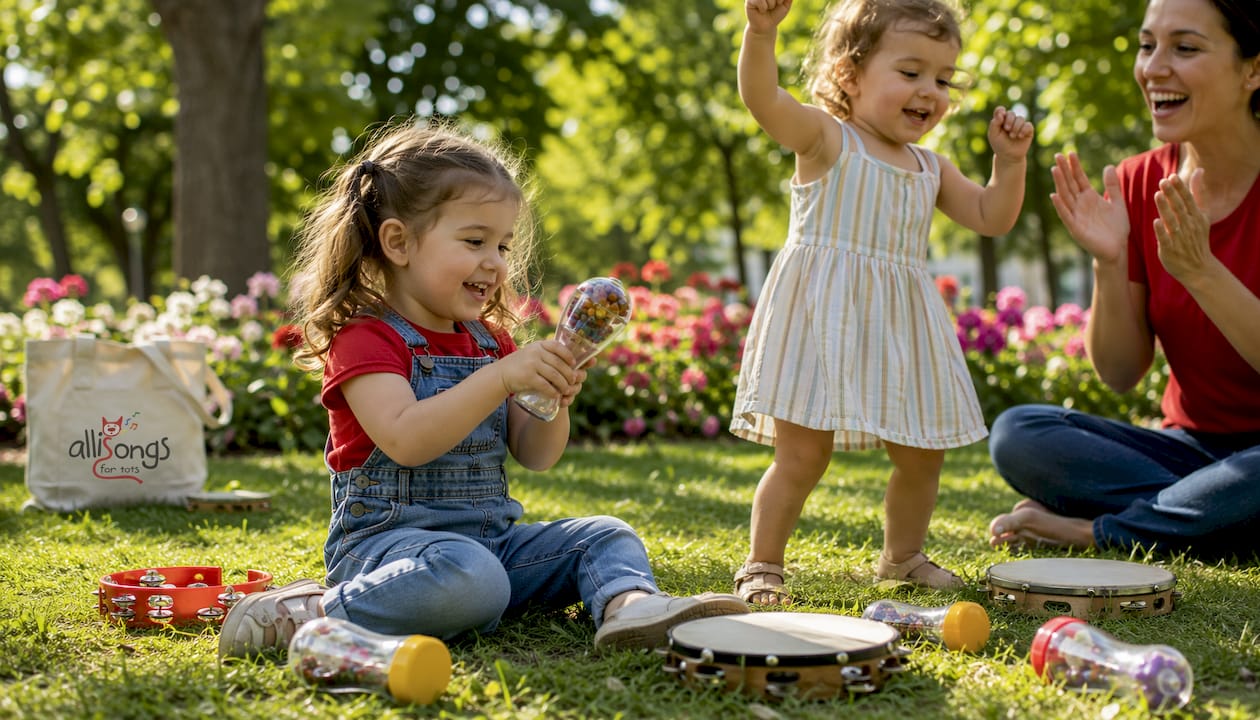
On the motor side, shaking builds fine motor control in the hand and wrist, while freeze-and-move games develop gross motor coordination and body awareness. Children who regularly engage in rhythmic play also show gains in early math skills like pattern recognition and sequencing, because rhythm is fundamentally mathematical.
Auditory development is equally significant. Listening for cue words, matching sounds, and echoing patterns all strengthen phonological awareness, the same skill that underlies early reading. Children learn to distinguish loud from soft, fast from slow, and one sound texture from another.
The social-emotional gains are real too, especially when emotional safety in early childhood learning is prioritized. Group shaker activities teach children to wait for their turn, listen to others, and regulate their own impulses, all within a joyful, low-stakes context. Emotional safety in early learning environments is foundational to this kind of growth, and music provides a naturally warm container for it.
What to put inside DIY egg shakers
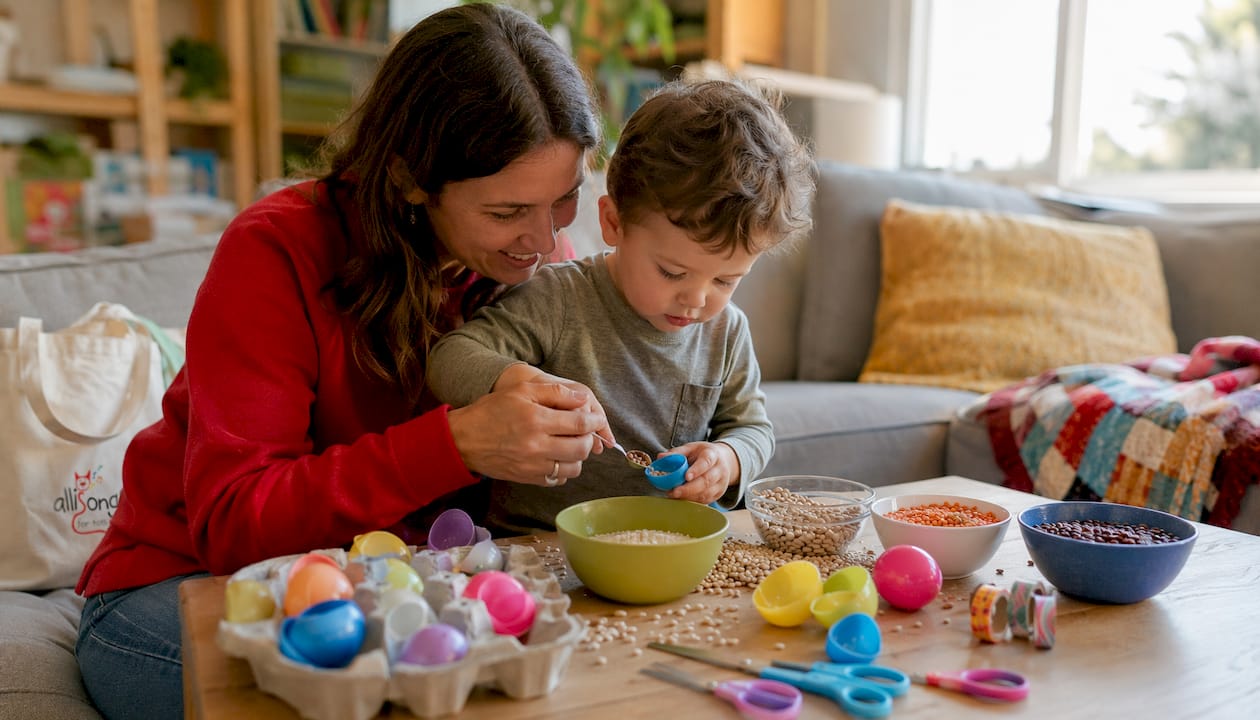
Making your own egg shakers is a wonderful activity in itself, and the fillers you choose create a genuine “sound library” for your child to explore. Different materials produce distinctly different sounds, which trains the ear and supports auditory discrimination.
Safe filler options and the sounds they produce:
- Rice: soft, high-frequency whisper; great for quiet listening activities
- Dried lentils: slightly fuller sound than rice, still gentle
- Dried beans: louder, lower-frequency rattle; good contrast to rice
- Popcorn kernels: bold, chunky sound with a satisfying weight
- Small pebbles or aquarium gravel: deep, resonant clunk; creates a strong contrast
Use plastic Easter eggs sealed with strong tape, or small containers with secure lids. Make at least two of each filler so children can play the sound-matching game described above.
Pro Tip: *Involve your child in the filling process. Let them pour the rice, listen to the sound, then try the beans and compare. This hands-on
builds vocabulary (“louder,” “softer,” “higher”) and turns a simple craft into a rich learning moment. Always supervise closely during assembly.*
How to weave egg shaker play into everyday life
You do not need a dedicated music class time to make egg shaker activities part of your child’s world. The most effective approach is to incorporate music into daily routines so it becomes a natural part of how your family moves through the day.
A few practical ways to do this:
- Clean-up song: Shake to the beat of a clean-up song while tidying toys. The rhythm makes the transition feel like play rather than a chore.
- Morning greeting: Start the day with a short shake-along to a favorite song. Even two minutes of rhythmic movement sets a positive, engaged tone.
- Transition cue: Use a specific shaker rhythm as a signal that it is time to move from one activity to another. Children respond well to musical cues because they are predictable and pleasant.
- Storytime accompaniment: Keep a shaker nearby during picture books and shake on repeated words or sound effects.
For caregivers building a home lesson plan, a simple structure works well: open with a steady beat shake-along, move into an echo or freeze game, then close with free movement to a song your child loves. Ten minutes is enough. Consistency matters more than duration.
Allisongs for Tots brings structured egg shaker learning to Tampa families
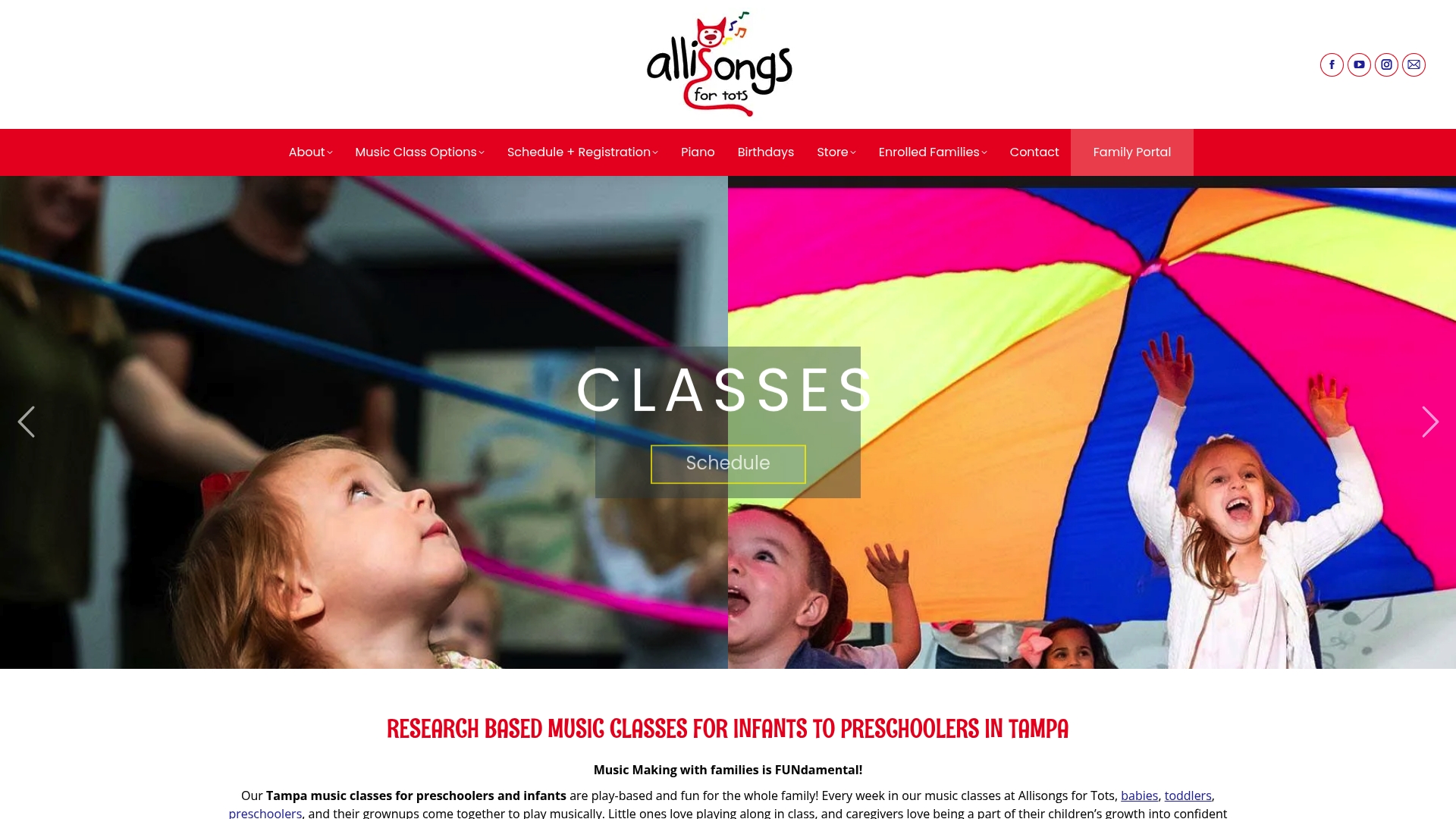
If you want your child to experience egg shaker activities in a structured, research-based setting with other children and a trained early childhood music educator, Allisongs for Tots offers exactly that. Based in Tampa and serving families across the area for over 15 years, Allisongs for Tots runs in-person music classes for children from birth through age five, with sessions designed around caregiver participation, multicultural music, and original songs by director Allison Wilkins.
Classes are built on the same developmental principles covered in this article: steady beat, echo rhythms, movement, and sensory exploration, all within a warm, community-oriented environment where you participate alongside your child. Whether your little one is a baby just beginning to respond to sound or a preschooler ready for more structured rhythm games, there is a class designed for them.
Register for a session or explore class options at allisongsfortots.com.
FAQ
How do you play an egg shaker?
Hold the egg shaker in one hand and shake it to match the beat of a song, echo a rhythm, or respond to musical cues like a freeze signal. Caregivers can model shaking techniques to help young children learn through imitation.
What age are egg shakers appropriate for?
Most egg shakers are recommended for children aged 3 and up due to choking hazards from the small beads inside. For younger children, use large, securely sealed DIY shakers under close adult supervision.
What are the benefits of playing with an egg shaker?
Egg shaker play builds fine and gross motor skills, phonological awareness, pattern recognition, and social-emotional skills like turn-taking and cooperation, all of which support broader cognitive and musical development.
What can you put inside a homemade egg shaker?
Safe fillers include rice, dried lentils, dried beans, popcorn kernels, and small pebbles. Each material produces a different sound texture, giving children a rich auditory experience and supporting listening skill development.
Key Takeaways
Egg shaker activities are one of the most effective and accessible tools for early childhood music education, combining rhythm, movement, and sensory exploration in a single small instrument.
| Point | Details |
|---|---|
| Age and safety | Egg shakers are recommended for children aged 3 and up due to choking hazards; always supervise and inspect for damage. |
| Core activities | Steady beat, echo rhythms, freeze dance, and sound-matching games cover the full range of early music concepts. |
| Developmental gains | Regular play builds fine motor skills, phonological awareness, pattern recognition, and social-emotional regulation. |
| DIY fillers | Rice, beans, lentils, and popcorn kernels each create distinct sounds, supporting auditory discrimination and sensory learning. |
| Allisongs for Tots | Offers structured, caregiver-inclusive music classes in Tampa for children birth to five, grounded in research-based early childhood music education. |