


TL;DR:
- Toddler songbooks with durable, board-book designs and simple lyrics effectively support early language and emotional growth.
- Both retail-based options like Barnes & Noble and specialized resources like Allisongs for Tots offer unique benefits for developing musical skills in children under three.
What are the best songbooks for toddlers right now?
The strongest toddler songbooks in 2026 combine board-book durability, simple repetitive lyrics, and musical variety that supports early language and emotional development. For parents in Florida, two sources stand out: Barnes & Noble Children’s Songbooks, available at multiple Florida locations, and Allisongs for Tots Songbooks, integrated into research-based music classes in Tampa.
| Product | Format | Musical Style | Age Range | Best For | Rating | Price |
|---|---|---|---|---|---|---|
| Barnes & Noble Children’s Songbooks | Board book, sound-enabled options | Nursery rhymes, folk, pop | birth–3 years | Parents seeking wide retail selection | 4.6★ | $$ |
| Allisongs for Tots Songbooks | Singable books, original content | Multicultural, original songs | birth–3 years | Families in music education programs | 4.9★ | — |
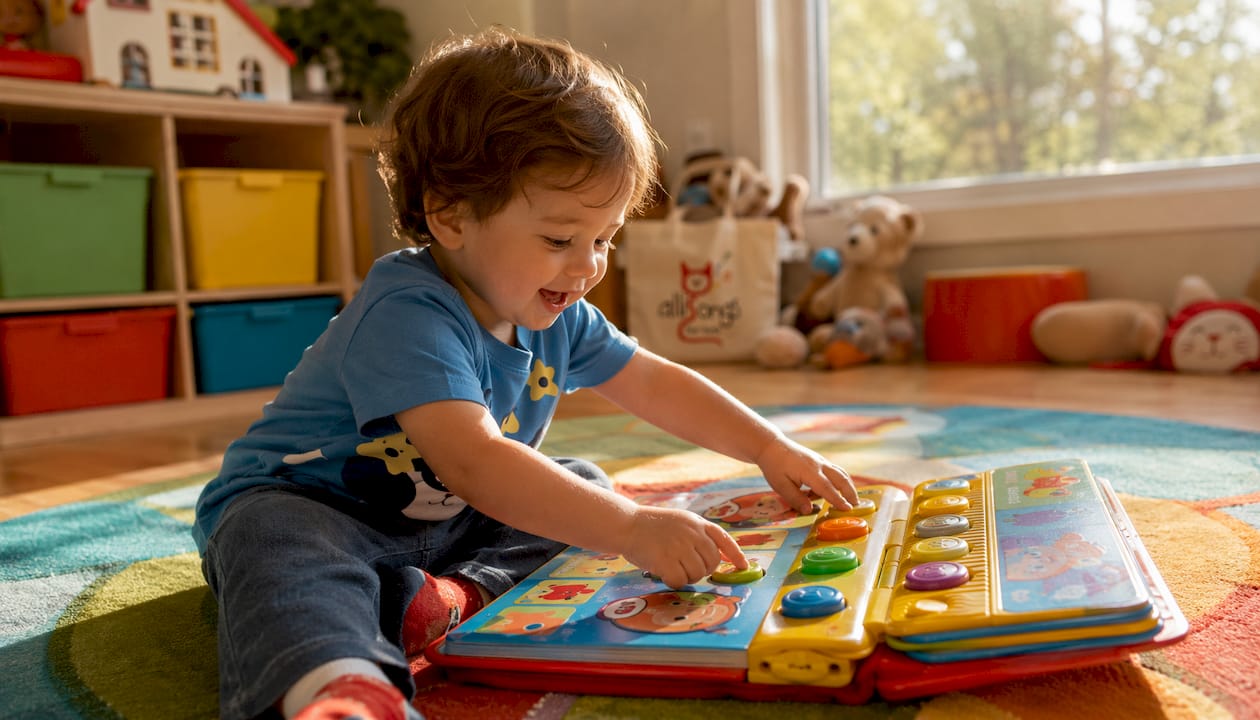
Barnes & Noble Children’s Songbooks offer the broadest selection you’ll find at a single retailer. Their inventory spans classic nursery rhyme collections, sound-enabled books with press-and-play buttons, and licensed titles tied to popular children’s characters. Families who want to browse in person and pick up a book the same day will find this the most practical option.
Allisongs for Tots Songbooks take a different approach. Created by director Allison Wilkins, these books feature original songs and culturally diverse material developed specifically for the research-based curriculum used in Tampa classes. They are not mass-market titles. For families already enrolled in Allisongs for Tots sessions, the songbooks extend the learning directly from class into home singing time.
- Barnes & Noble: broad inventory, in-store availability across Florida, sound-enabled options for ages 1–3
- Allisongs for Tots: original multicultural content, designed to pair with live music education, available through the Tampa studio and online store
How do these toddler songbooks compare on key features?
Choosing between a large retail selection and a specialized music education resource comes down to what you need the book to do. Both options have genuine strengths, and neither fits every family equally well.
Barnes & Noble’s children’s section carries sound-enabled books where large buttons trigger melodies or spoken words. Sound books with large buttons suit toddlers aged 1–2 who are still developing fine motor skills, since small or stiff buttons frustrate young children and break the singing experience. The retail selection also includes titles with printed sheet music, which helps caregivers who feel less confident singing follow along without guessing the melody. Durability varies by title, so checking for thick board pages before purchasing is worth the extra minute in the store.
Allisongs for Tots Songbooks are built around the same principles that guide the studio’s classes: adult caregiver participation, multicultural repertoire, and original songs written to be sung, not just read. The content reflects over 15 years of direct work with infants and preschoolers, so the lyric structure and pacing are calibrated to what actually holds a toddler’s attention. These books are a natural extension of the class experience rather than a standalone product.
Key comparison points:
- Durability: Board-book format is the standard for ages 1–3; both sources carry board-book options
- Sound features: Barnes & Noble stocks sound-enabled titles; Allisongs for Tots books are designed for live singing with a caregiver
- Musical diversity: Allisongs for Tots emphasizes multicultural and original content; Barnes & Noble offers mainstream nursery rhymes and licensed characters
- Availability: Barnes & Noble is available in-store and online nationwide; Allisongs for Tots books are available through the Tampa studio and the brand’s online store
How to choose the best songbook for your toddler
The right children’s music book depends on your child’s age, motor development, and how you plan to use it. A few specific criteria make a real difference.
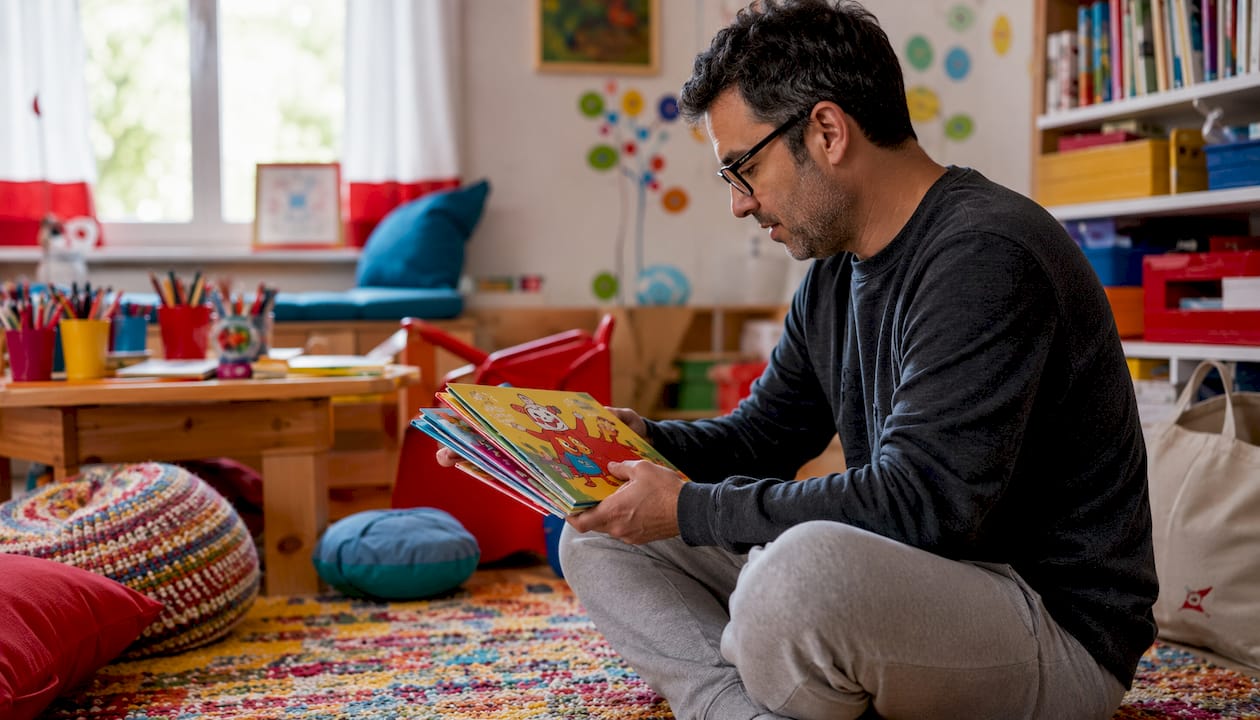
Board-book construction is the baseline for toddlers aged 1–3. Thick pages withstand the grabbing, bending, and chewing that come with this age group. Thin paper pages tear within days in a toddler’s hands, which ends the singing experience before it starts.
Look for simple, repetitive lyrics. Toddlers learn through repetition, and songs with a predictable chorus or a repeating phrase give them something to latch onto and eventually sing along with. Books that pack in too many verses with changing words tend to lose a toddler’s attention quickly.
Musical style variety matters more than most parents expect. Exposure to different rhythms and genres helps toddlers internalize music patterns, a skill researchers call audiation, which builds auditory development over time. A book that only covers one style limits that exposure.
Pro Tip: Look for songbooks where each musical line ends before the page turns. When a page break cuts through the middle of a lyric, it interrupts the singing rhythm and makes it harder for both caregiver and child to stay engaged. Experienced music educators consistently flag this as one of the most overlooked features in toddler songbooks.
For sound-enabled books, button size and responsiveness are the deciding factors for children under two. A button that requires precise finger placement or firm pressure will frustrate a toddler and go unused. Test the buttons in the store if you can.
Why do singing and songbooks matter for toddler development?
Singing with your toddler does more than fill the room with noise. Music builds attention, working memory, and language development, according to neurologist Nina Kraus, who has spent years studying music’s effects on the brain.
“Strengthening one’s rhythm skills, which is something that music does inherently, creates a biological foundation that helps with language and literacy.” — Nina Kraus, neurologist, PBS Kids for Parents
Rhythm is directly tied to reading readiness. School-age children who struggle to keep a beat are more likely to face reading challenges later on. Singing nursery rhymes and repetitive songs with your toddler is one of the most direct ways to build that rhythmic foundation early.
Toddlers typically begin matching pitch and singing simple phrases between 18 and 27 months. Songbooks give caregivers a consistent, repeatable tool to support that window of development. The language development benefits of early musical engagement are well documented, and singing together is one of the most accessible ways to deliver them.
One thing parents often worry about: their singing voice. Research from PBS Parents is clear that the quality of your singing matters far less than the emotional connection and consistent interaction. Your child is not auditioning you. They are bonding with you.
Where can you buy quality toddler songbooks in Florida?
Florida families have several reliable options for finding top toddler songbooks, from large retail chains to specialized local resources.
Barnes & Noble operates multiple locations across Florida, including stores in Orlando, Tampa, and other major metro areas. Their children’s sections carry a broad range of children’s music books, from classic nursery rhyme collections to sound-enabled interactive titles. The price level is $$ across locations, making them accessible for most budgets.
- Online: Barnes & Noble ships nationwide; Amazon and Target also carry popular children’s songbook titles
- Local specialty: Independent bookstores in Florida occasionally carry curated children’s music selections worth exploring
- Tampa families: Allisongs for Tots offers songbooks directly through their studio and online store, paired with the option to experience the songs live in class
Allisongs for Tots is a Tampa-based music education program serving families with children from birth to age five. Their research-based music classes include original songs and culturally diverse repertoire developed by director Allison Wilkins. Songbooks are available through the studio alongside instrument kits and gift certificates, making them a natural choice for families already engaged in the program.
Allisongs for Tots offers a different path to musical learning
If you are looking for more than a book on a shelf, Allisongs for Tots gives Tampa families a live, research-based music experience that no retail purchase can replicate. The songbooks are one piece of a broader program built around caregiver participation, multicultural music, and over 15 years of early childhood expertise.
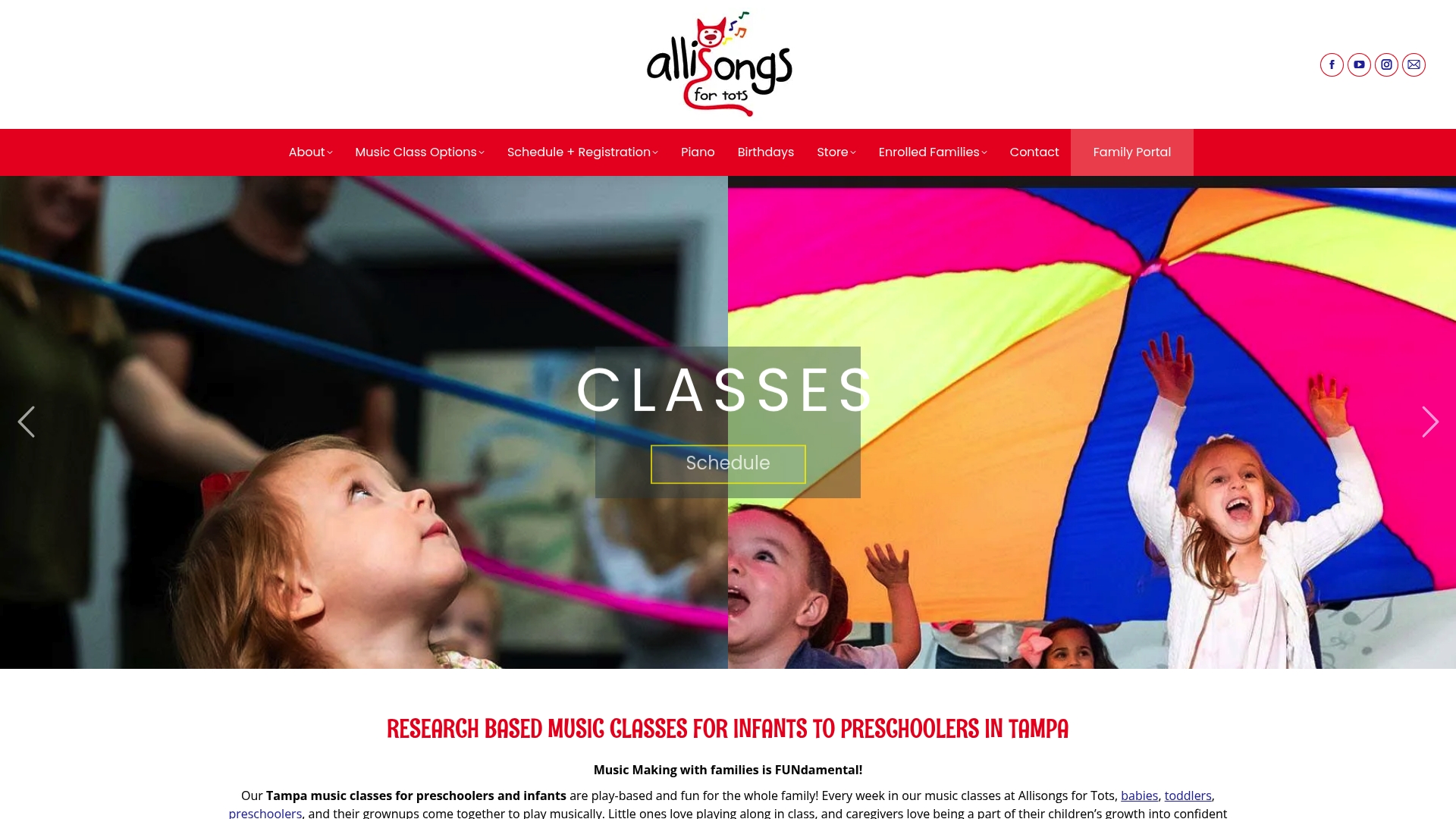
Classes run for infants through preschoolers, with mixed-age sessions, babies-only groups, and introductory piano for children aged 3.5–6. Every session is designed so that you, the caregiver, are an active part of the music. The parent-child bond built through shared singing in class carries directly into how you use songbooks at home. Visit Allisongs for Tots to explore class schedules, songbooks, and instrument kits available for Florida families.
Key Takeaways
The most effective toddler songbooks combine board-book durability, simple repetitive lyrics, and musical variety to support language, rhythm, and emotional development from birth through age five.
| Point | Details |
|---|---|
| Board-book format is essential | Thick pages withstand toddler handling and keep the singing experience intact for ages 1–3. |
| Singing builds reading readiness | Rhythm skills developed through singing create a biological foundation for language and literacy. |
| Toddlers typically begin matching pitch and singing simple phrases between 18 and 27 months. | Simple pitch matching and phrase singing typically emerge in this window, making songbooks most impactful here. |
| Your voice is enough | Research confirms that emotional connection during singing matters far more than vocal quality. |
| Allisongs for Tots extends learning | Original multicultural songbooks paired with live Tampa classes give families a research-based alternative to retail options. |
FAQ
What is a good book for a 2-year-old?
Board-book songbooks with simple, repetitive lyrics and clear illustrations work best for 2-year-olds. Look for titles where musical lines are not interrupted by page turns, so singing stays natural and unbroken.
What is the best music for toddlers?
Toddlers benefit most from music with clear rhythm, repetitive phrases, and varied styles. Nursery rhymes, folk songs, and culturally diverse material all support auditory development and language skills.
What is the #1 children’s book of all time?
Definitions vary by source, but “Goodnight Moon” by Margaret Wise Brown and “The Very Hungry Caterpillar” by Eric Carle consistently rank among the most sold and most read children’s books in the US. Neither is a songbook, but both use repetition in ways that translate well to singing.
At what age should a toddler be able to sing a song?
Most toddlers begin matching pitch and singing simple songs between 18 and 24 months, with more developed phrase singing emerging around 23 to 27 months.